The Benefits of Compression Socks for Improved Circulation and Comfort

Compression socks have gained popularity for their ability to support leg health and comfort. Many people wonder who should wear them and how they work. This post explains how compression socks improve circulation, reduce swelling, and provide all-day comfort. Whether you spend long hours on your feet or want to support recovery after exercise, understanding the benefits of compression socks can help you decide if they are right for you.
How Compression Socks Work
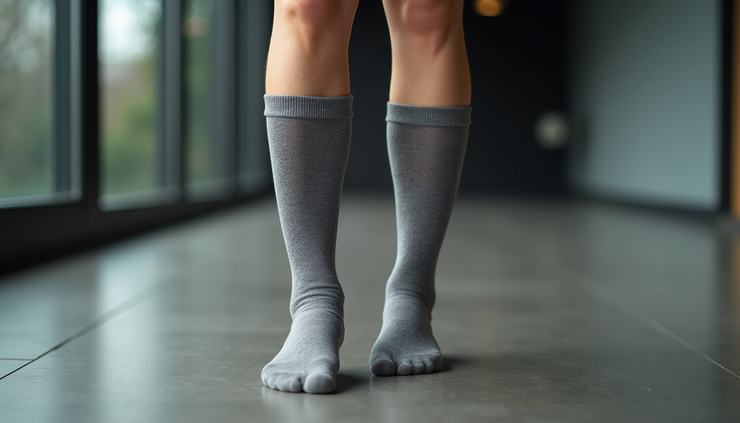
Compression socks apply gentle pressure to the legs, ankles, and feet. This pressure helps veins carry blood back to the heart more efficiently. When blood flows smoothly, it reduces the risk of pooling and swelling in the lower limbs. The graduated compression design means the pressure is strongest at the ankle and gradually decreases up the leg. This gradient supports natural blood flow and prevents discomfort caused by poor circulation.
Who Should Wear Compression Socks
Compression socks benefit a wide range of people, especially those who experience leg fatigue or swelling. Here are some groups who may find them useful:
People who stand or sit for long periods
Jobs like retail, teaching, or office work often involve staying in one position for hours. Compression socks help reduce leg tiredness and swelling caused by limited movement.
Travelers on long flights or road trips
Sitting for extended periods can slow circulation and increase the risk of deep vein thrombosis (DVT). Wearing compression socks during travel supports blood flow and lowers this risk.
Athletes and active individuals
Compression socks can improve recovery by reducing muscle soreness and swelling after exercise. They also provide extra support during physical activity.
Pregnant women
Pregnancy often causes leg swelling and varicose veins due to increased blood volume and pressure on veins. Compression socks help ease these symptoms and improve comfort.
People with medical conditions
Conditions like chronic venous insufficiency, varicose veins, or lymphedema may require compression therapy. Always consult a healthcare professional before using compression socks for medical reasons.
Benefits Beyond Circulation
Compression socks do more than just improve blood flow. They offer several practical advantages that enhance daily comfort:
Reduced swelling
By preventing fluid buildup, compression socks help keep legs feeling lighter and less puffy.
Pain relief
Many users report less aching and cramping in their legs after wearing compression socks regularly.
Improved skin health
Better circulation supports skin nourishment and healing, which can reduce dryness and irritation.
Temperature regulation
Modern compression socks use breathable materials that wick moisture and keep feet cool.
Enhanced athletic performance
Some athletes find that compression socks improve endurance and reduce fatigue during workouts.
Choosing the Right Compression Socks
Selecting the right compression socks depends on your needs and lifestyle. Here are some tips to guide your choice:
Compression level
Compression is measured in millimeters of mercury (mmHg). Light compression (8-15 mmHg) suits everyday use, while moderate (15-20 mmHg) or firm (20-30 mmHg) levels may be needed for medical conditions.
Size and fit
Proper fit is crucial. Socks that are too tight can cause discomfort, while loose socks won’t provide enough support. Measure your calf and ankle circumference before buying.
Material
Look for socks made from breathable, moisture-wicking fabrics for all-day comfort.
Length
Compression socks come in knee-high, thigh-high, and full-leg options. Knee-highs are most common and effective for most users.
How to Wear Compression Socks Correctly
To get the full benefits, wear compression socks properly:
Put them on in the morning before swelling starts.
Smooth out wrinkles to avoid pressure points.
Wear them throughout the day, especially during prolonged sitting or standing.
Remove them before bed unless advised otherwise by a doctor.
Replace socks regularly as they lose elasticity over time.
When to See a Doctor
While compression socks help many people, some symptoms require medical attention. Contact a healthcare provider if you experience:
Severe leg pain or swelling
Skin changes like ulcers or discoloration
Signs of infection such as redness or warmth
Sudden shortness of breath or chest pain (seek emergency care)
Compression socks are a supportive tool, not a cure. Always follow professional advice for serious conditions.
Final Thoughts on Compression Socks
Compression socks offer clear benefits for improving circulation, reducing swelling, and enhancing comfort. They suit a variety of people, from workers and travelers to athletes and pregnant women. Choosing the right socks and wearing them correctly maximizes their positive effects. If you experience leg fatigue or swelling, trying compression socks could make a noticeable difference in your daily comfort and health.
Comments